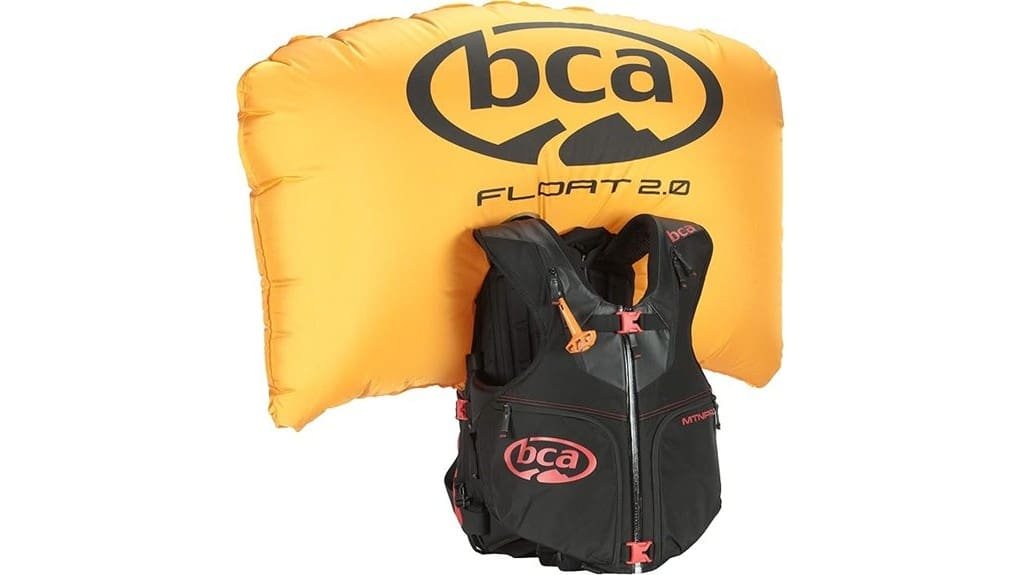
You’ll get a low-profile, high-performance protective vest built for aggressive mountain snowmobiling that’s airbag-ready and abrasion-resistant. It uses a 1 mm PE shell sandwiched with dual PE foam for front, side, and rear impact mitigation while preserving mobility and torso rotation. It fits FLOAT 2.0 cylinders and a 1,220 cu in (20 L) airbag package, integrates hydration and radio routing, and includes shovel carry and compression tuning. Scroll on to learn fit, compatibility, and tradeoffs.
Some Key Takeaways
- Low-profile, impact-focused vest offering front, side, and rear protection with an airbag-ready platform for aggressive mountain snowmobiling.
- Accommodates FLOAT 2.0 cylinder and 1,220 cu in (20 L) packaged airbag while maintaining slim mobility and articulated shoulders.
- Molded 1 mm PE shell sandwiched with PE foam balances puncture resistance and deliberate load transfer without restricting torso rotation.
- Integrated hydration routing, radio mounting, shovel carry, and large zip pockets support practical backcountry usability and maintenance.
- Best for riders prioritizing low bulk and impact protection; budget for a separate cylinder and consider warranty/service for long-term value.
What the MtnPro Vest Is and Who It’s Made For
Think of the MtnPro Vest as a low-profile, high-performance protective shell built for aggressive mountain snowmobiling—designed to sit close to your body while delivering front, side and rear impact protection and an airbag-ready platform. You’ll get a molded PE/foam sandwich that preserves mobility while resisting puncture and abrasion. The vest targets riders who demand high speed stability and deliberate load transfer during maneuvers, plus integrated mounting for hydration and comms. It’s optimized for tree impact mitigation and strikes against handlebars or rocks, so you’ll have slimline coverage without bulk—professional-grade protection for serious backcountry snowmobilers. It also complements adaptive outdoor setups by offering features that enhance accessibility and comfort for a range of riders, including those using adaptive beach gear.
Key Specs and Protective Features (Airbag Readiness, PE Construction, Volume)
Because the MtnPro is built as an airbag-ready protective platform, its key specs focus on integration, impact resistance, and usable volume. You get a 1,220 cu in (20 L) packaged capacity that accommodates a FLOAT 2.0 cylinder and hydration bladder while keeping profile low. Construction pairs a 1 mm hard polyethylene (PE) shell sandwiched between dual PE foam layers and a molded back panel for consistent energy spread and material durability. Attachment points, dual zippered shoulder straps, and external shovel carry simplify service and airbag maintenance. Weight is 16 oz; streamlined features prioritize protective function without excess bulk. Designed with beachgoers and outdoor enthusiasts in mind, the pack complements Comfort and Style preferences without sacrificing avalanche safety.
On-Snow Performance and Mobility: Fit, Comfort, and Protection in Real Use
Having covered the MtnPro’s airbag readiness and PE sandwich construction, we’ll now examine how that hardware performs on snow where mobility, fit, and real-world protection matter. You’ll notice low profile mobility thanks to the slim envelope and articulated shoulders; torso rotation and reach stay unobstructed during aggressive maneuvers. The molded back panel and PE layers distribute impact forces without bulk impeding your stance. Fit adjustments—dual side-release buckles, compression straps, adjustable shoulder straps—let you dial load transfer and stability. Thermal breathability is adequate for cold, high-output days, wicking moisture while preserving core warmth when you push hard. The vest also pairs well with beach accessibility mats for users who need easier sand-to-snow transitions during outdoor travel.
Everyday Usability: Storage, Hydration, Radio Integration, and Carry Options
How will the MtnPro handle the day-to-day needs of a hard-charging rider? You’ll find deliberate pocket organization—large zippered pockets, external shovel carry, and compression straps that secure bulk without snagging. Hydration compatibility integrates cleanly into the molded back panel, routing a tube beneath articulated shoulders and dual shoulder zips for easy refill. Dual side-release buckles and adjustable straps let you fine-tune carry with or without extra layers. Radio compatibility is native for BC Link radios, with dedicated routing and secure mounting points. Overall carry options balance low profile protection and practical access for fast, technical mountain work. These features also make the pack well-suited for beach and outdoor mobility needs, offering durable, sand-resistant materials and thoughtful carry for beach-friendly mobility.
Should You Buy It? Value, Compatibility (FLOAT 2.0 Cylinder), Sizing Tips, and Alternatives
If you value a low-profile, impact-focused vest that also handles practical carry needs, the MtnPro is worth serious consideration. You’ll get robust PE foam/1 mm shell protection, hydration and radio integration, plus airbag-ready fit for the FLOAT 2.0 cylinder (sold separately). Buying timing matters: pair purchase with a cylinder or budget for later. Consider brand reputation and limited warranty; service availability for cylinders and repairs influences long-term cost and resale value. For sizing, follow chest measurements, allow mobility layers, and test straps. Alternatives include full-pack airbags if you need larger volume or integrated cylinder storage.
Some Questions Answered
Does the Vest Include a Built-In Repair Kit for the Airbag System?
No — the vest doesn’t include a built-in repair kit for the airbag system. You should carry dedicated repair tools and a maintenance checklist to service the FLOAT 2.0 cylinder and fabric components. Inspect seals, hoses, and trigger regularly, follow manufacturer torque and replacement intervals, and pack spare screws, the inflation canister wrench, and adhesive patches. Keep documentation and serial numbers for warranty and professional servicing.
Can the Vest Be Used for Non-Motorized Backcountry Skiing?
Yes. You can use the vest for non-motorized backcountry skiing; it offers lightweight mobility and layered compatibility for uphill travel. Its 1 mm PE shell with dual foam layers and articulated shoulders maintains protection without restricting movement. Hydration integration, compression straps and adjustable fit support active touring. Note the FLOAT 2.0 cylinder is sold separately for airbag deployment, and added weight may affect long ascents.
Is the Vest Compatible With Avalanche Transceivers’ Harness Systems?
Yes — you’ll find harness compatibility for beacon integration. The vest’s low-profile, articulated shoulder design and dual zippered straps let you wear most chest harnesses over or under the vest. Use recommended transistor/strap clearances so the transceiver antenna isn’t impeded. For peak signal and access, test fit your specific beacon harness before heading out and follow manufacturer placement guidelines to maintain rescue effectiveness and airbag functionality.
Are Replacement PE Foam Panels or Shells Sold Separately?
No, Backcountry Access doesn’t list replacement shells or replacement PE foam panels sold separately for that vest; you’ll need to contact BCA for repair or warranty service. If you want foam alternatives, you can’t just swap in arbitrary PE layers without compromising fit, protection, or airbag deployment. Speak with BCA support or an authorized service center about authorized replacement parts, compatible foam alternatives, or certified repair options to maintain safety and warranty coverage.
What Is the Recommended Storage Method to Preserve the Airbag Cylinder?
Store the cylinder vertically in a cool, dry place to preserve seals and pressure integrity. You’ll keep it upright on its valve end or in provided rack/box, avoid laying it horizontally for extended periods. Maintain ambient temperatures away from heat sources and direct sunlight, and control humidity to prevent corrosion. Inspect cylinder threads and O-rings periodically, and follow manufacturer service intervals. Don’t subject it to impacts, solvents, or heavy loads.